3 Mexican Fruits You Should Try
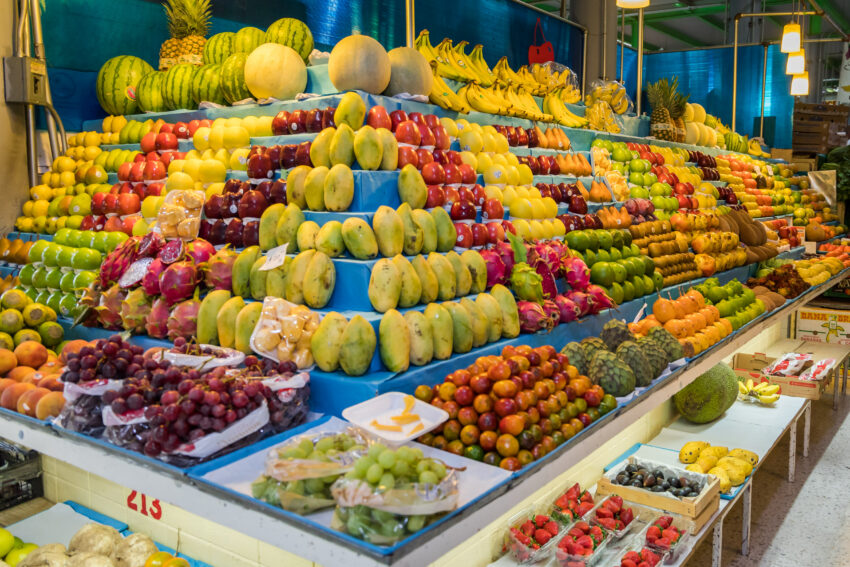

Mexico is a country whose fertile soil and varied climate allow for the cultivation of almost anything. A wide variety of fruits from other latitudes have arrived in this territory and we have adapted them as our own. Coconuts, bananas, and mangoes are examples of this. However, we also have a great variety of native fruits. The most famous, and which you may not know are Mexican, are papaya, guava, pineapple, and pitahaya.
When visiting a market, the options can be overwhelming. Knowing which fruit to try or which is native/Mexican can be a difficult task. That’s why we made this short list of 3 native/Mexican fruits you should try on your next visit to Mexico.
1. Mamey
On the outside, it looks like a potato, but inside it holds a sweet, salmon-colored pulp. It has a flavor very similar to yellow sweet potato and its texture is very similar to that of an avocado. It is generally eaten on its own but is also very common in smoothies, ice cream, and popsicles. Its seed, called pixtle, is widely used in various preparations. It is used to make refreshing drinks, atole (a traditional hot drink), and as a flavoring for various desserts such as flan. The seed has a slightly almondy and very aromatic flavor. It should never be eaten raw because it contains hydrocyanic acid, which is toxic. To reap its benefits, it should be roasted or sun-dried. Mamey is produced almost year-round, but the best season to enjoy it is from April to July.

2. Prickly Pear (Tuna)
This is the fruit of a type of edible cactus called nopal. It has a thick skin with very fine spines, so it is important to be careful when peeling it. The pulp is very similar to pitahaya but with larger, harder seeds that are edible. Its flavor is reminiscent of honeydew melon, and it can be more or less sweet depending on the variety. They come in pink, yellow, red, and green colors, with the latter being the most commercially available. It is commonly used in aguas frescas, ice cream, and popsicles. As is customary in Mexico, we also love it with lime and a little chili powder. Its season runs from April to November, with July, August, and September being its peak months.

3. Soursop (Guanábana)
This is a visually striking fruit. Its exterior is green, with a texture reminiscent of crocodile skin. Inside, it’s white with black, inedible seeds. Its flavor is slightly reminiscent of a mix of guava and banana with a hint of acidity. It can also be eaten raw or in aguas frescas. Delicious sorbets and popsicles are made with it. They are available almost year-round in tropical climates, but the warmer months are the best time to enjoy them.

We hope you found this list helpful and that now you are curious enough to try at least one of these scrumptious fruits!