Chicharrón: The Perfect Snack
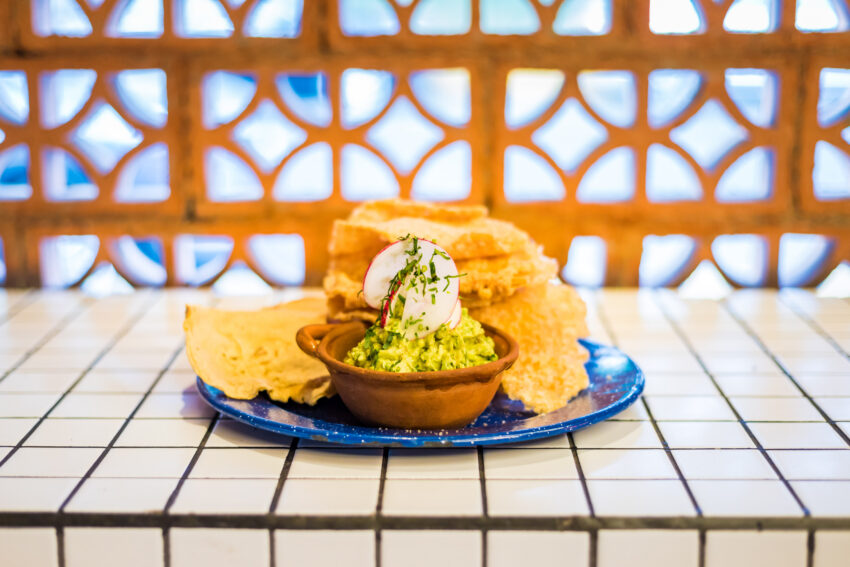

Chicharrón is a snack made from pork skin. It boasts a crispy texture and a delicious flavor that makes it almost addictive; once you try it, you can’t stop.
How is it made?
Production begins with thoroughly cleaned pork skin, free of any stubble. To ensure proper cooking and rapid dehydration, diamond-shaped cross-cuts are made across the surface. The skin is then salted and left to dry for two or three days. Afterward, it is rinsed to remove excess salt and undergoes an initial cooking stage in lard. This process, known as “sancochado”, takes place over low heat and lasts several hours. Next, the skin is drained and hung up to rest for another day. At this stage, it becomes rigid and slightly translucent.
The second stage of cooking involves very hot lard and lasts only a few seconds. This causes the chicharrón to “puff up,” acquiring its characteristic crispy texture and airy appearance. Those making it must possess great coordination and agility to prevent the skin from curling up or hardening improperly.
As you can see, the process takes several days and requires a certain level of skill—which is why it is so highly valued. In fact, some individuals, and even entire families, dedicate their lives to this profession known as “chicharronero”.

Varieties
Chicharrón is usually displayed in large sheets that are cut to order—in quantities ranging from 100 grams to a full kilogram—though it is also available pre-portioned into small pieces in plastic bags.
In central Mexico, there are two main types: “esponjado” (puffed) and “con gorditos” (with bits of fat/meat). The former refers to the crispiest, airiest part of the skin, while the latter refers to sections where a bit of fat or meat has been deliberately left attached. This version has more substance and, consequently, a more intense flavor.
Why is it the perfect snack?
It’s eaten just like a bag of potato chips: grab it straight from the bag and enjoy! We often add a squeeze of lime and our favorite salsa. It’s ideal for dipping into refried beans or guacamole while watching TV.
It’s very economical. The price per kilo is around 260 pesos, but 250 grams is enough to feed a family of four. In other words, for 65 pesos, you get a snack that is not only delicious but also filling.
You can find it everywhere. Markets, butcher shops, and “tortillerías” (tortilla shops) are the main distributors, usually selling it fresh and in bulk. In supermarkets, convenience stores, and grocery chains, you can find the mass-produced version in bags ranging from 30 to 500 grams.

A snack for any occasion. Many people make a habit of buying it on weekends: it’s perfect for gatherings with friends or family. If there’s a soccer match on, it’s a must-have snack. We often buy it simply to satisfy a craving between meals or to fill a small gap after eating.
Healthier than it looks. Chicharrón is a protein-rich food. It contains 50 grams of this macronutrient per 100 grams of product—100% of which is collagen. It contains no carbohydrates, making it a very common addition to the Keto diet in Mexico. It contains monounsaturated fats, predominantly oleic acid—yes, the same kind found in olive oil. However, it’s important not to overindulge, as it also contains saturated fats and is high in sodium.

Other ways to eat chicharrón
In tacos. You can put anything in a tortilla, and chicharrón is no exception. This taco is delicious on its own, but adding pico de gallo or guacamole makes it a 10 out of 10.

As a stew. One of the most common ways to prepare chicharrón as a stew is in sauce. This sauce can be green, red, or made from dried chilies like morita or guajillo. It is an excellent way to use up leftover chicharrón from the day before.

As a topping. A few small pieces of chicharrón on any type of taco will take the flavor to the next level. It can also be used over refried beans, broths, and soups, such as the traditional tortilla soup.

A few recommendations
- When buying: If you want to buy freshly prepared chicharrón, observe the color of the rendered fat. It should have a light-to-medium brown hue, which indicates the freshness of the ingredients.
- Check the quality: It should have a slight umami flavor but never taste burnt. The texture should be crispy—never hard or tough—which is why we always ask for a small sample before buying. Although fried in lard, that flavor should not be overpowering; furthermore, it should not leave a greasy sensation in your mouth or on your hands.
- Storage: The bag should be kept tightly sealed in a dry place away from direct sunlight. Depending on the quality of the chicharrón and its moisture content, it can last anywhere from 1 to 7 days.
