Rescuing Tradition: Mexican Sweets
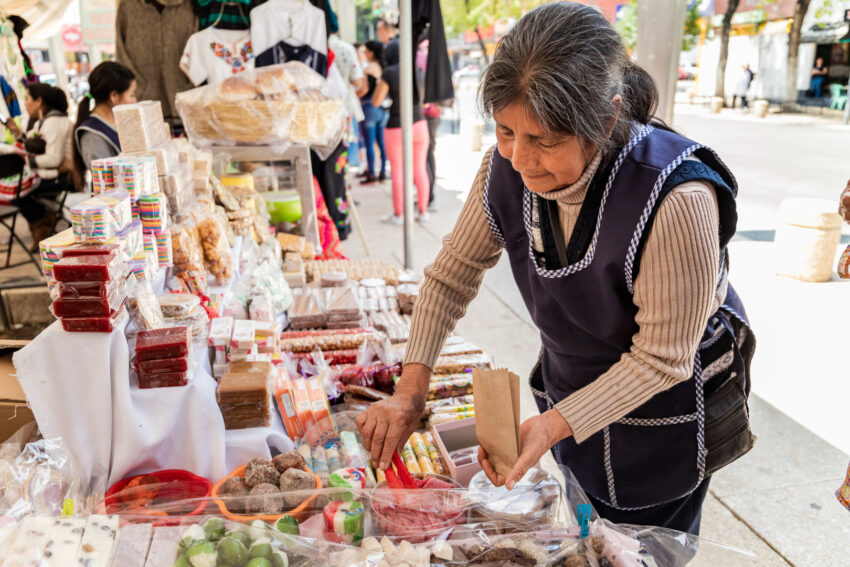

“Traditional Mexican sweets are almost healthy,” is what I always say when I talk about this topic. People laugh a little when they hear this expression, but then the question immediately arises: Why almost healthy? When we think of sweets, we generally don’t associate them with something that might be good for our health. It’s usually a craving, a little treat, or a small “sin.”
The case of Mexican sweets is different. Compared to industrialized sweets full of colorings, sugar, and other additives, traditional sweets use more natural ingredients. Unfortunately, their consumption has declined over the years. Advertising and a lack of awareness of their benefits mean that people are choosing them less and less. Therefore, in this text, we share some reasons why it’s important to continue consuming them.
The Ingredients
Many of the ingredients used have multiple benefits for the body. They are produced locally and are easily accessible. Some of the most commonly used sweeteners are the following:
Piloncillo (unrefined cane sugar)
This is a type of natural sweetener made by cooking sugarcane juice. Once it reaches a deep caramel color, it is poured into molds and left to cool. It has a concentrated flavor, even more so than brown sugar. It contains vitamins A, D, E, and C, and minerals such as iron, phosphorus, calcium, and magnesium.

Seeds
The most commonly used seed is the peanut, a seed with a variety of culinary uses. Pumpkin seeds are the next most popular due to their abundance, flavor, and price. Other very common seeds include walnuts, sesame seeds, pine nuts, chia seeds, sunflower seeds, and amaranth.

Fruits
Generally, Mexican candies are made with seasonal fruits. The cooking process and the addition of piloncillo allow them to be enjoyed for a longer period of time. The most commonly used fruits are papaya, pineapple, guava, tejocote (Mexican hawthorn), and prickly pear. Other notable fruits include lime, orange, tamarind, coconut, fig, apple, pear, and quince.

Vegetables
The wonder of traditional sweets is that almost any ingredient on hand can be used. Vegetables are no exception. Among the most prominent are squash and sweet potato. These are followed by chilacayote (a more watery and sweet variety of squash), chayote, jicama, and even nopales (prickly pear cactus pads).

Milk
Cow’s milk is the most commonly used because it is the most abundant and has a milder flavor. Goat’s milk can also be used, as well as sheep’s milk to a lesser extent. Notable preparations include cajeta (a type of caramel) and jamoncillo (a soft-textured candy made with milk, sugar, and cinnamon).

Chili peppers
This staple of Mexican cuisine is indispensable, and that’s probably why we in Mexico can tolerate its spiciness. From childhood, we consume sweets and fruits with considerable amounts of various chili peppers. The most commonly used is the piquín chili, followed by guajillo, puya, and chipotle.

Other ingredients
Corn is also widely used in the making of traditional sweets. The type of preparation depends on the region. The most emblematic is pinole, made from toasted corn mixed with sugar and cinnamon. Spices also play a very important role. The most commonly used are vanilla, cinnamon, anise, and cloves. Another widely used sweetener is sugar, and to a lesser extent, honey.

Nutritional value
Many of the nutrients from the ingredients used are still preserved in traditional sweets. Several of them provide us with vitamins such as A, D, E, C, K, and B vitamins. Seeds are rich in omega-3 fatty acids and minerals such as calcium, potassium, iron, and magnesium. In addition, those made with different fruits, vegetables, and seeds provide a considerable amount of fiber. Milk, in addition to protein, provides minerals such as calcium and phosphorus. Many of these sweets can even act as a natural energy bar.
Such is the case with alegrías, made from puffed amaranth. This grain promotes cardiovascular health due to its fatty acid content. It is also rich in fiber and minerals such as calcium, zinc, phosphorus, and magnesium, which aids in cell regeneration. Those made with peanuts, pumpkin seeds, walnuts, and other seeds can serve a similar purpose. However, in many cases, piloncillo (unrefined cane sugar) is replaced with refined sugar. That’s when I say “almost healthy,” so it’s very important to moderate their consumption.

Sociocultural Importance
Traditional sweets are part of the vast complexity of Mexican cuisine. They are a blend of native flavors and ingredients with influences from many other parts of the world. They are as diverse as the states themselves; in each one, you can find different sweets or variations of them. Their consumption supports the local economy. Many of them are still made by Mexican families or small businesses.
They can be found in small street stalls, markets, specialty shops, and even airports. Purchasing them benefits the vendors, producers, and farmers who grow the raw materials.
Around these delicacies are stories, memories, and a rich tradition that is important to preserve. Traditional sweets are flavor, joy, nutrition, and above all, identity.
