Tamales in Mexico: Flavor, History, and Tradition
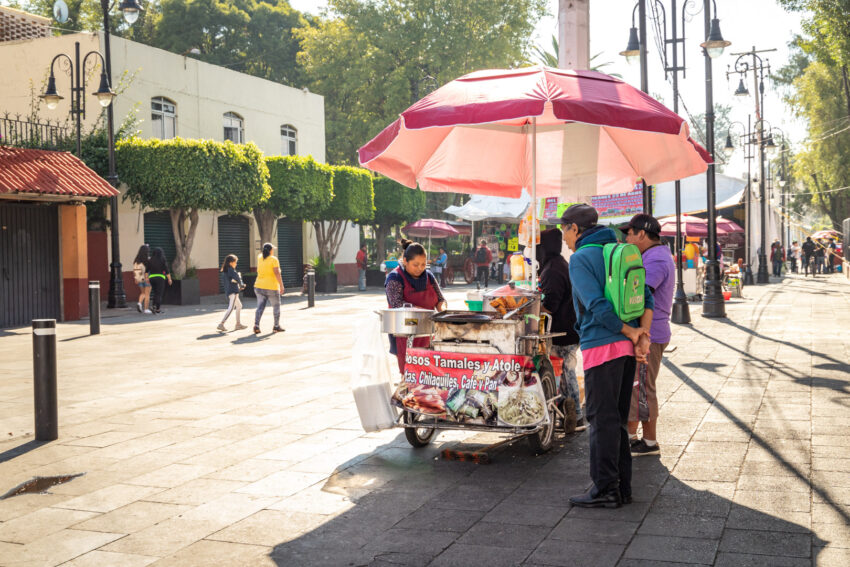

Tamales are one of Mexico’s most iconic dishes. Their flavor, texture, and temperature make them one of our favorite comfort foods. The most common are those made with corn masa that are steamed. However, depending on the region, ingredients, shapes, sizes, and cooking methods, tamales can vary, resulting in up to 700 types registered in the country. They can be eaten at any time of day but are preferred for breakfast. They can be found in plazas, markets, and on sidewalks as part of everyday street food. It is estimated that at least a third of the population eats a tamale a day. Their consumption is not merely gastronomic; it is also festive and even ritualistic. They play an important role in our culture. That is why we invite you to explore and learn a little more about tamales and their history.

Ancestral Heritage
The value of the tamale dates back to pre-Hispanic times; that is, before the Spanish arrived in the Americas. It is believed that they existed even long before the tortilla.

Varieties
There were several ways to classify them depending on the base ingredient, their use, and their shape. The main ingredient was corn. Therefore, they could be divided into tamales made from tender corn, called elotamales, and tamales made from dried corn. In the case of the former, fresh corn was harvested and ground, which is why they had a sweet taste. For the latter, dried corn was harvested and cooked with water and lime to rehydrate the kernels. This process is known as nixtamalization, a cooking method of great importance even for making tortillas. Once cooked, the husk was removed and the corn ground; its flavor was more neutral.
According to their use, they could be divided into those for common people, those for the nobility, and those used in rituals. The base continued to be corn, but the added ingredients depended on social class and the ritual being celebrated. Finally, according to their shape, they could be categorized as wide, pointed, rolled, folded at the sides, or square.
Ways of Consumption
Tamales were an everyday food, as important as tortillas. However, their ceremonial use was of great importance. Depending on the region, different types of tamales were prepared as offerings to the various gods. For example, in the north, small tamales were prepared and thrown into the fire to “feed” it. In the central region, a type of tamale mixed only with water was prepared in a ritual celebrated every eight years. In the south, tamales were offered to the corn god. Generally, tamales were served after the ceremonies for people to enjoy.
Preparation
Three methods of preparation have been observed in mural representations. The first refers to tamales with filling. The second refers to a rolled tamale formed by successive layers of corn with other various ingredients. The third alludes to tamales without filling or with mixed fillings but served with a type of sauce or paste.
Also, through the chronicles of friars, we know that there were mainly two cooking methods. One was a kind of underground oven, ideal for large tamales. The other was a steaming process in a clay pot with a little water and intertwined branches at the bottom.
Ingredients
A wide variety of native ingredients were used to mix, fill, or serve with tamales, depending on the region. Among these were animals such as armadillo, deer, iguana, turkey, rabbit, shrimp, various birds, and fish. Other commonly used proteins included eggs from different birds, ant larvae, crawfish, insects, frogs, and tadpoles. The vegetables included a variety of mushrooms, beans, flowers, chili peppers, tomatoes, squash, and edible cactus. Fruits such as pitahaya, pineapple, and guava were also added, as well as seeds like pumpkin seeds, pine nuts, and peanuts. Honey, tree ash, or quelites were used for seasoning.
To make the dough “fluffy,” boiled water with tequesquite, a type of mineral obtained from lagoons that imparts a salty flavor, was added. Tomatillo husks could also be used for a neutral taste. The most common wrapping was corn husks. Occasionally, avocado leaves or hoja santa (Mexican pepperleaf) were used.
The Merging of Two Cultures
With the Spanish conquest of Mexico, food underwent significant transformations. New cooking techniques and ingredients were incorporated. Unfortunately, many native products fell out of use, and several dishes disappeared. Many others were integrated into the mestizo culture of the time, resulting in very different preparations.
Tamales survived for several reasons. One of the main ones is that the Spanish’s primary source of carbohydrates, bread, was not to the liking of the indigenous people. Another very important reason is that, due to climatic conditions, the required amount of wheat could not be produced. This led to a blend of ancestral traditions with the new ingredients brought by the Europeans.

Varieties
With the arrival of new ingredients and tools, variations of tamales were added to those already existing. Therefore, they can be divided according to flavors: savory, sweet, sour, and neutral. They can also be divided by the masa (dough): tender corn, nixtamalized corn, wheat flour, rice, or amaranth; by the cooking methods: steamed (in pots, pans, and steamers), underground ovens, orin casseroles; by their shape: cylindrical, triangular, rectangular, or ball-shaped; by their size: miniature (3-5 cm), regular, tamales (up to 35 cm), zacahuil (up to 1 m long); by their function: everyday food, festive dish, ritual element; by their consumption: as a main dish or as an accompaniment to other dishes (mainly moles and salsas); and finally, by their wrapping: corn husks, banana leaves, carrizo reed, and acuyo leaves.
Consumption Methods
Although they gradually lost their ritual use, some varieties are still used for ceremonies in different parts of the country. Their consumption became part of everyday life but also for different social and religious celebrations, with Candlemas perhaps being the most important of these. This Catholic holiday is celebrated on February 2nd, commemorating the presentation of Jesus at the temple. On this date, those who have been blessed must share tamales with their closest relatives. The blessing consists of finding the representation of the baby Jesus in the Rosca de Reyes, a type of bread shared on January 6th.
Contrary to popular belief, tamales are not a Christmas dish. Although they can be made for that time of year, Mexicans prefer other preparations. As an everyday food, they are generally eaten fresh, but if there are leftovers, they can be refrigerated or frozen. There are different ways to reheat them, from the easiest, the microwave, to grilling or frying. The latter technique is also used when a crispy texture is desired.
Traditionally, they are accompanied by atole, a pre-Hispanic drink made with corn, water, sugar, and other ingredients. Other common drinks include hot chocolate and café de olla (coffee lightly sweetened and infused with cinnamon). Tamales are often placed inside a roll to form a torta (a type of Mexican sandwich). This way of eating tamales is very practical for traveling and was invented in Mexico City.
Preparation
The cooking methods and preparation techniques were preserved even after the conquest. But the techniques, “tricks,” and beliefs surrounding tamales also remained. For example, the dough is ready to be shaped when it no longer sticks to your hands. You can also place a small ball of dough in water; if it sinks, you need to keep kneading it, if it floats, it’s ready. To check if they are cooked, insert a wooden skewer; if it comes out clean, they can be removed from the heat.
It is believed that when preparing tamales, you shouldn’t be in a bad mood because it will affect the dough and make the tamales sour. It is said that tamales like music, so it is recommended to sing or whistle while they are being prepared.
Ingredients
Most of the native ingredients continue to be used, even those that might now be considered exotic. To these were added a long list of new ingredients. For protein, chicken, beef, pork, and lamb were incorporated. Dairy products, mainly cheeses and butter, were also added. Spices such as anise, cinnamon, cumin, and pepper are also used. Fruits include coconut, orange, blackberry, strawberries, plums, and raisins. Seeds (almond, walnut, and sesame) and other ingredients such as chickpeas, olives, and sugar were also included. Corn also began to be replaced by rice or mixed with wheat flour. Lard played the same role as tequesquite (a type of mineral salt) or tomato peel. Banana leaves were incorporated for wrapping.
Keeping the Tradition Alive
The changes made to tamales have gradually become established as traditional. Cooking techniques are preserved, but new tools have been implemented in the process. Stovetop ovens, metal steamers, and pressure cookers reduce waiting time.
They are still mostly consumed as everyday food, as well as for festive and ceremonial occasions. However, with the rise of haute cuisine, different types of tamales have been elevated to gourmet status. Presentation in restaurants plays a fundamental role: they are presented as a gastronomic experience that must be enjoyed. However, the reality is that most restaurants simply appropriate existing tamales from different regions of our country.

Returning to everyday life, ingredients have been added to cater to human gluttony and creativity. Cookies, jams, chocolate, and cream cheese are among the most requested fillings. Unfortunately, this traditional dish is not exempt from industrialization. Currently, it can also be found in convenience stores and supermarkets. They’ve been stripped of their natural wrappings and replaced with ugly, polluting plastic bags. These products are full of artificial colors and flavorings, as well as additives that the body doesn’t need. Their lack of flavor and a texture that Mexicans find strange have led to their gradual disappearance from the market.
If you want to try a traditional tamale, follow the aroma of the sidewalk stalls. Approach the tricycles that call out “ricos tamales calientitos” (“delicious, hot tamales”) in the streets. Most are delicious, although there are a few that don’t live up to expectations. That’s why we recommend asking locals about their favorite stalls and vendors. Taking one of our tours will also be very helpful. They’re always an excellent option if you want to continue learning about Mexico’s culinary history and culture.